Manitoba
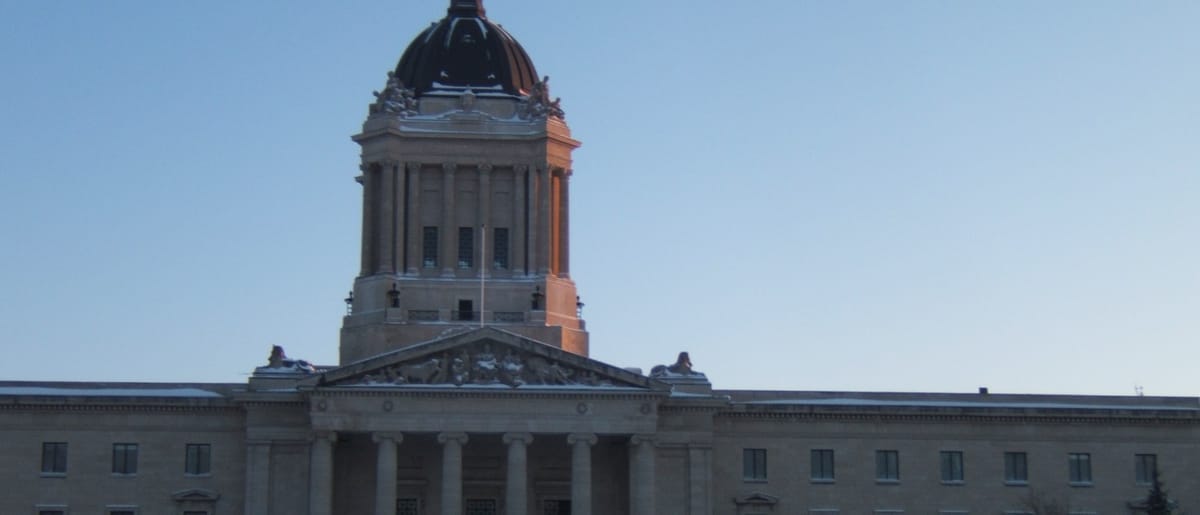
Manitoba does not have a single dedicated Information and Privacy Commissioner. Oversight is split between two bodies: the Manitoba Ombudsman, which handles intake and investigation, and the separate Manitoba Information and Privacy Adjudicator, which issues binding orders on escalated disputes.
Manitoba Ombudsman
The Manitoba Ombudsman is an independent officer of the Legislature who investigates complaints about unfair actions by public bodies, oversees access-to-information and privacy complaints under FIPPA, oversees personal health information matters under PHIA, and investigates whistleblower disclosures under PIDA. The office cannot investigate federal bodies, private businesses, courts, or elected officials.
Laws and regulations administered:
- The Freedom of Information and Protection of Privacy Act (FIPPA) — governs access to records and personal information handling by public bodies.
- The Personal Health Information Act (PHIA) — governs personal health information held by health-sector trustees.
- The Public Interest Disclosure (Whistleblower Protection) Act — governs whistleblower disclosures within the public service (adjacent to, rather than part of, the privacy mandate).
Manitoba Information and Privacy Adjudicator
A quasi-judicial office created by 2011 amendments to FIPPA. It reviews matters referred by the Ombudsman where a public body's head refuses to act, fails to act within the required time, or declines to follow the Ombudsman's recommendations, and can then issue binding orders — for example, ordering the release of records or changes to an institution's information-handling practices. Its orders bind the public body, subject to judicial review. It administers the same two statutes as the Ombudsman (FIPPA and PHIA), but only in an order-making capacity for escalated matters, not as a general intake point.
Other provincial legislation of note
- The Non-Consensual Distribution of Intimate Images Act (formerly the Intimate Image Protection Act) — creates civil remedies for the non-consensual distribution of intimate images.
- Bill 2, The Non-Consensual Distribution of Intimate Images Amendment Act — received Royal Assent June 1, 2026 (SM 2026, c. 2). Substantially amends the base statute above: broadens "intimate image" to include non-identifiable and "nearly nude" images, extends "fake intimate image" to explicitly cover AI-generated deepfakes, creates a civil wrong for threatening to distribute an intimate image (not just doing so), lets courts order internet intermediaries to remove or de-index images, confirms these privacy rights survive death, and narrows the "public interest" defence to law-enforcement and court purposes only. Not contested — Justice Minister Matt Wiebe and the Canadian Centre for Child Protection were both supportive, and no opposition surfaced during committee.
- The Personal Information Protection and Identity Theft Prevention Act (PIPITPA), S.M. 2013, c. 17 — a private-sector privacy statute that received Royal Assent but has never been proclaimed into force. It does not appear in Manitoba's current consolidated statutes, and the federal Privacy Commissioner's own list of provincial privacy laws still shows only FIPPA and PHIA for Manitoba — meaning PIPEDA continues to govern Manitoba's private sector in practice.
Pending and proposed legislation
- Bill 51, The Public Sector Artificial Intelligence and Cybersecurity Governance Act (enacted, SM 2026, c. 43, not yet in force) — regulates AI use and cybersecurity practices by public bodies. It comes into force by proclamation, with detailed regulations to follow over as much as a three-year period. The principle of regulating public-sector AI and cybersecurity was not itself controversial, but affected sector bodies raised implementation concerns during the legislative process — the Manitoba School Boards Association, for instance, warned in writing against unfunded regulatory mandates on school divisions, urged flexibility over "rigid technical prescriptions" as AI technology evolves, and asked to be consulted on the detailed regulations still to come.
- Bill 49, The Business Practices Amendment Act (enacted, SM 2026, c. 41, not yet in force) — bans non-consensual personalized or algorithmic pricing in consumer transactions.