Nova Scotia
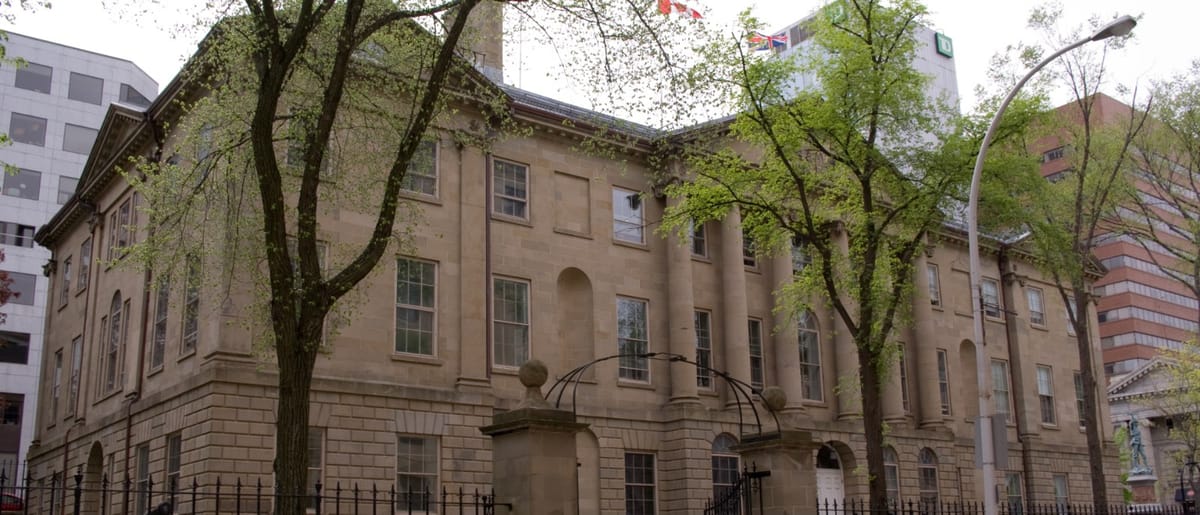
Office of the Information and Privacy Commissioner for Nova Scotia (OIPC NS)
The OIPC NS is a single combined office covering access-to-information and privacy oversight across public bodies, municipalities, and health custodians. It currently operates as an independent ombudsman — a review, not order-making, body — though it is transitioning toward becoming an independent officer of the House of Assembly under new legislation described below. The Commissioner reviews complaints and "Requests for Review" from people dissatisfied with a public body's or health custodian's response to an access or privacy matter; office staff research, investigate, and mediate to try to resolve disputes; and where a matter remains unresolved, the Commissioner can compel production of records, inspect premises, and issue non-binding review reports with recommendations that public bodies must respond to in writing.
Laws and regulations currently in force:
- Freedom of Information and Protection of Privacy Act (FOIPOP) — governs access to records and personal information handling by provincial public bodies.
- Municipal Government Act, Part XX — the equivalent access and privacy provisions for municipalities.
- Privacy Review Officer Act — establishes the Review Officer function.
- Personal Health Information Act (PHIA) — governs personal health information held by custodians.
- Personal Information International Disclosure Protection Act (PIIDPA) — restricts disclosure of certain public-body personal information outside Canada.
Other provincial legislation of note
- Bill 205, amendments to the Elections Act and House of Assembly Act — received Royal Assent April 9, 2026. Requires returning officers to give candidates, parties, and party representatives a daily electronic record of which electors have voted, and confirms parties may use the Register of Electors for communicating with electors, including soliciting contributions. Attorney General Scott Armstrong framed the broader bill as making elections "easier to navigate for everyone involved." No opposition or OIPC submission on these specific provisions was found — flagged here as a development worth watching rather than a settled controversy, since similar voter-list data practices have drawn federal privacy scrutiny elsewhere in Canada.
Pending and proposed legislation
This page will be substantially rewritten once Bill 150, below, takes effect.
- Bill 150, a new Freedom of Information and Protection of Privacy Act (2025 Statutes, Chapter 13) — received Royal Assent October 3, 2025, but does not come into force until April 1, 2027. It will consolidate and repeal all five statutes listed above into a single new act. Key changes: it makes the Commissioner an independent officer of the House of Assembly; brings municipalities and villages fully into the FOIPOP framework; adds mandatory breach notification where there is a real risk of significant harm; expands the definition of "personal information" to explicitly include IP addresses, biometric data, and genetic information; adds proactive review powers and data-linking rules; increases penalties; and extends response timelines from 30 calendar days to 30 business days. Until April 1, 2027, the five statutes listed above remain the operative law.
The substance of the bill is less contested than the process used to pass it. The government points to genuine, long-requested modernization: this is the first overhaul of the framework in 25 years, it says the bill followed "extensive consultation and engagement" including over 100 stakeholder submissions and 149 recommendations from the sitting Commissioner, and Attorney General Becky Druhan framed it as delivering what "Nova Scotians expect" — transparency and strong privacy protection, stronger oversight, and legislative clarity. The Centre for Law and Democracy, an access-to-information watchdog, does not dispute that the reforms include real improvements, but published a critique titled "Nova Scotia Rushes Through New Access to Information Act," arguing the bill moved through the Legislature too quickly for a framework this consequential to receive proper public and expert scrutiny before passage — a criticism aimed at the speed of the process rather than the individual provisions.
- Bill 249, Distribution of Fake Intimate Images Act — a private member's bill (NDP MLA Suzy Hansen), at First Reading since March 26, 2026, with no further progress found. It would extend the existing Intimate Images and Cyber-protection Act to explicitly cover AI-generated ("fake") intimate images, require distributors to make an image unavailable once consent is revoked, and shift the burden onto a respondent to prove the applicant lacked a reasonable expectation of privacy. Not contested — no debate or opposition commentary was found, likely reflecting its early stage rather than genuine consensus.